

Nose Gallery
$$MultiPurposeText$$
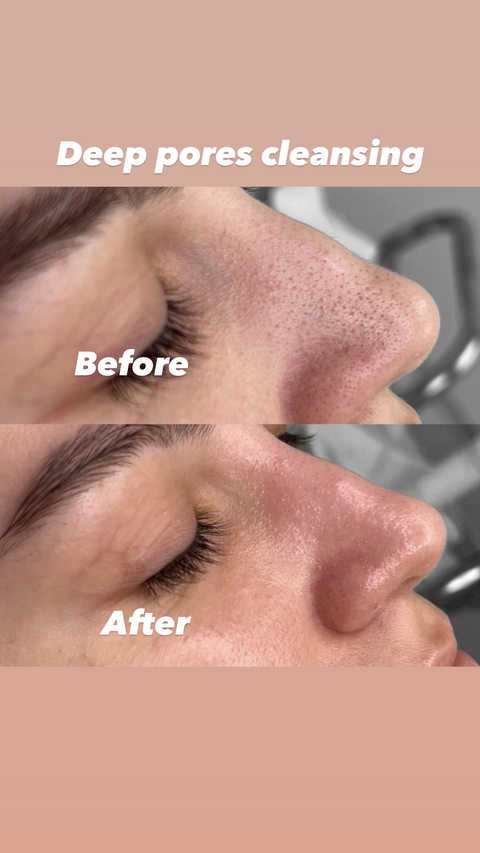
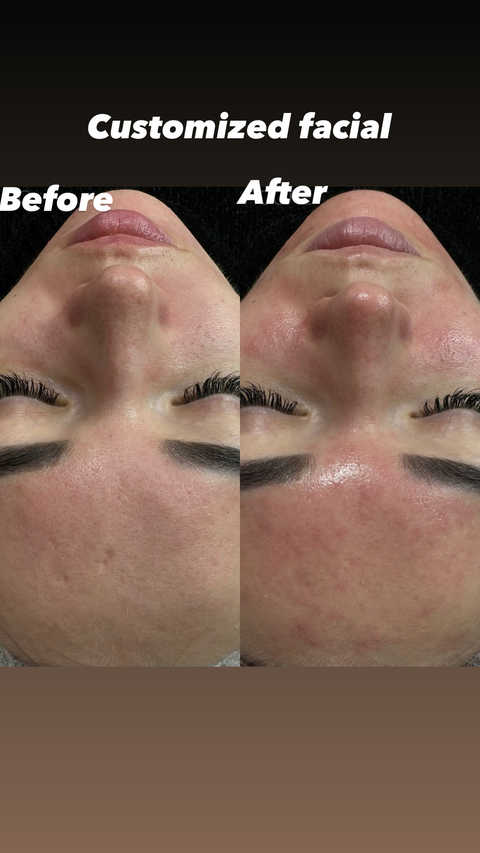
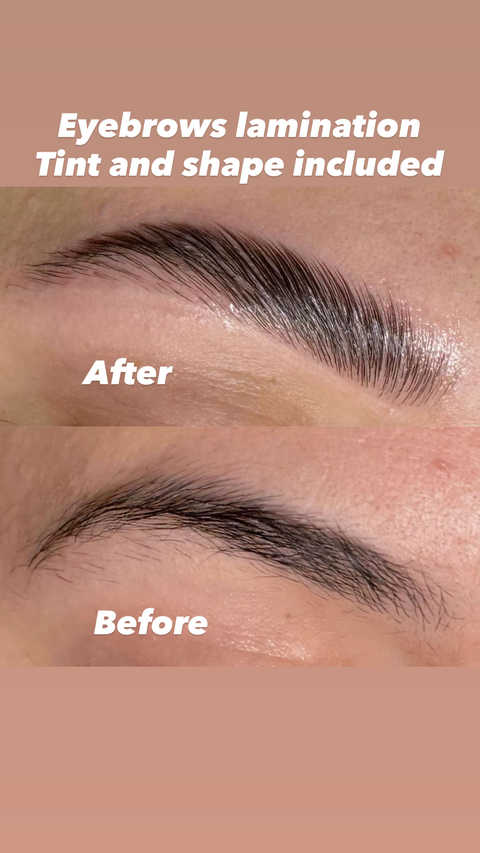
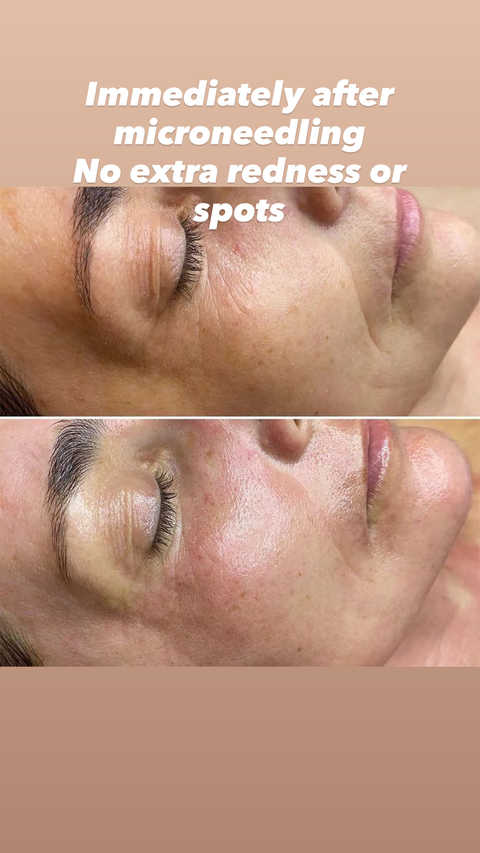
See examples of our Nose work and results.
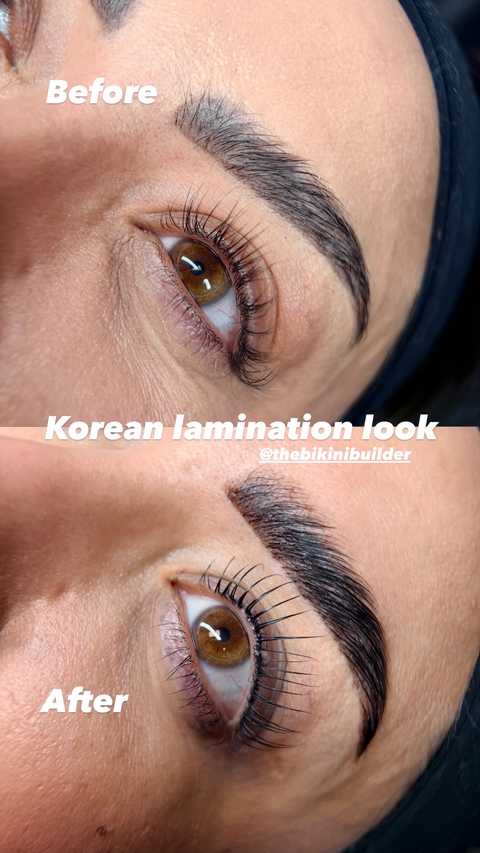
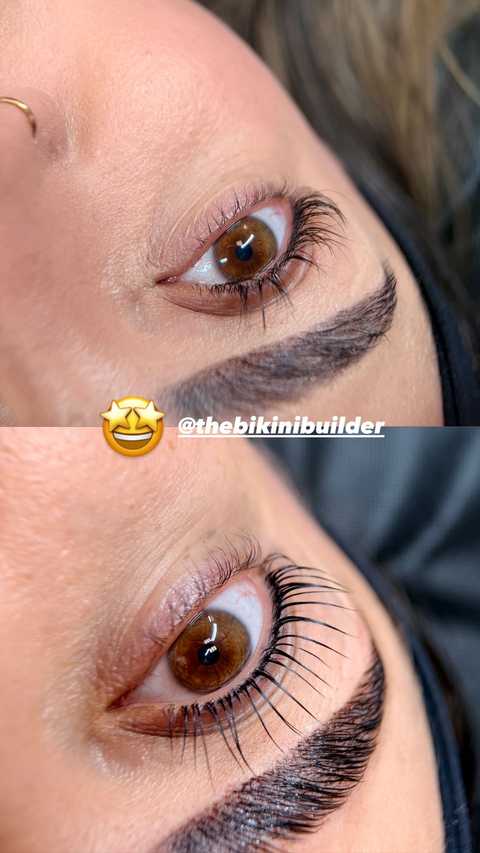


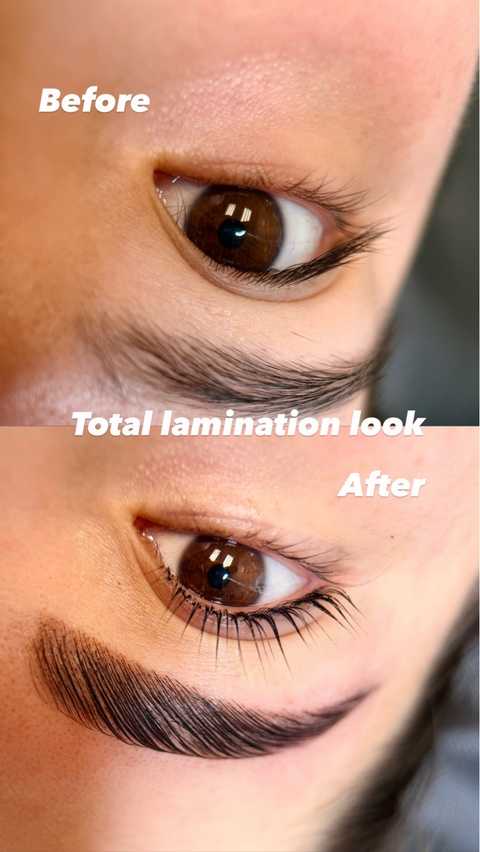
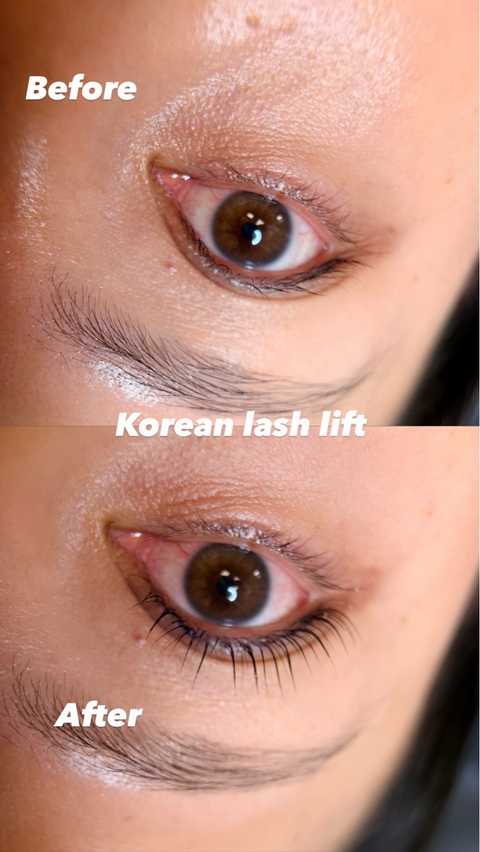


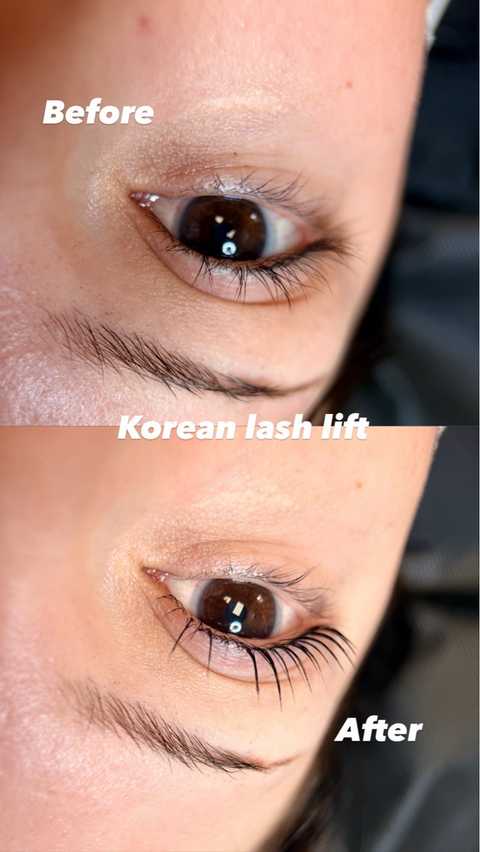
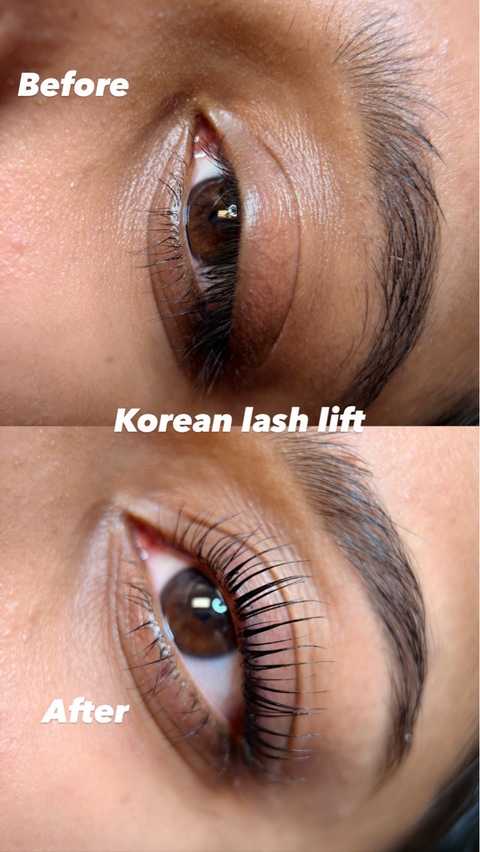

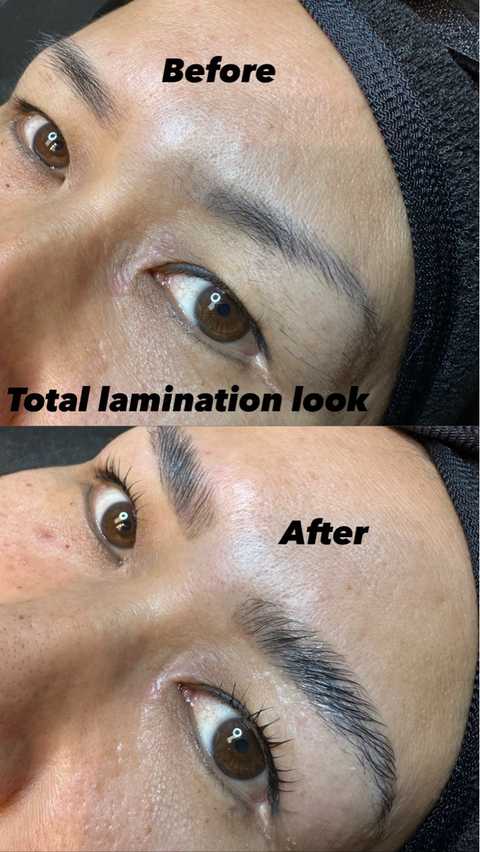

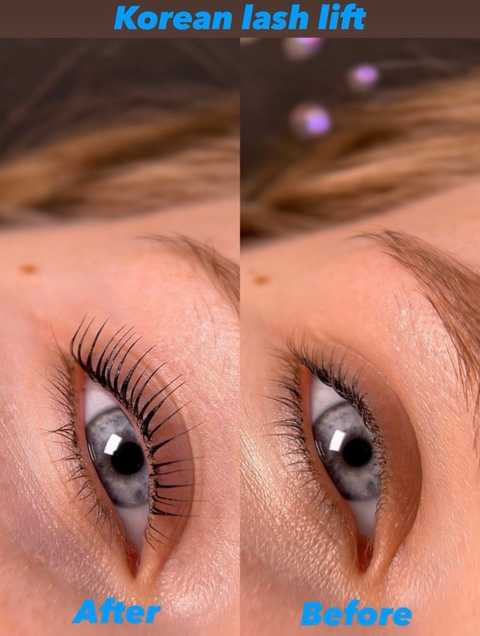



What Our Clients Say
$$MultiPurposeText$$
Read testimonials from our satisfied customers

My mom and I came in to get a lash lift + tint and Irina totally blew our expectations out...more

Irina is awesome! I booked a lash lift and tint and she worked so efficiently and gave me ...more

Was an amazing experience! The results were better than expected. Irina was accommodating ...more

Highly recommend — I am very happy with Irina services.

Irina was so sweet. She explained exactly what was going on during the Korean eyelash lift...more

Irina is so great. I’ve never had a lash lift and tint this good!! I don’t need to wear ma...more

Frequently Asked Questions
Get answers to common questions about Nose.
Some clients feel brief stinging during nasal wax, but we use gentle techniques and quality wax to minimize pain. Discomfort usually fades within minutes; applying soothing balm and cold compresses afterward accelerates relief and keeps skin calm and comfortable.
Plan Nose waxing every four to six weeks depending on individual hair growth. Some clients need touch-ups sooner, others longer. Your technician will recommend an interval after assessing regrowth and skin sensitivity to maintain a tidy, well-groomed appearance.
Yes, Nose waxing can be safe for many sensitive skin types when performed by experienced technicians using appropriate waxes and aftercare. We conduct skin assessments and recommend patch tests or alternative trimming if you have severe sensitivity or recent nasal issues.
Avoid heavy decongestants, nose sprays, or topical retinoids 24 to 48 hours before your appointment. Arrive with clean, dry nasal area; avoid shaving inside nostrils. Inform your technician about medications or health conditions to ensure safe, comfortable treatment.
Mild redness and slight irritation are common immediately after Nose waxing and typically subside within a few hours to a day. Use cool compresses and gentle antiseptic creams we recommend. Contact us if redness persists, increases, or you experience severe pain or swelling.
People with active nasal infections, recent surgery, severe rosacea, blood clotting disorders, or on blood-thinning medications should avoid Nose waxing or consult a physician. Our technicians review medical history to determine suitability and suggest safer alternatives like trimming when necessary.